Jellyfish Swarm Shuts Down French Nuclear Plant Amid Rising Sea Temperatures

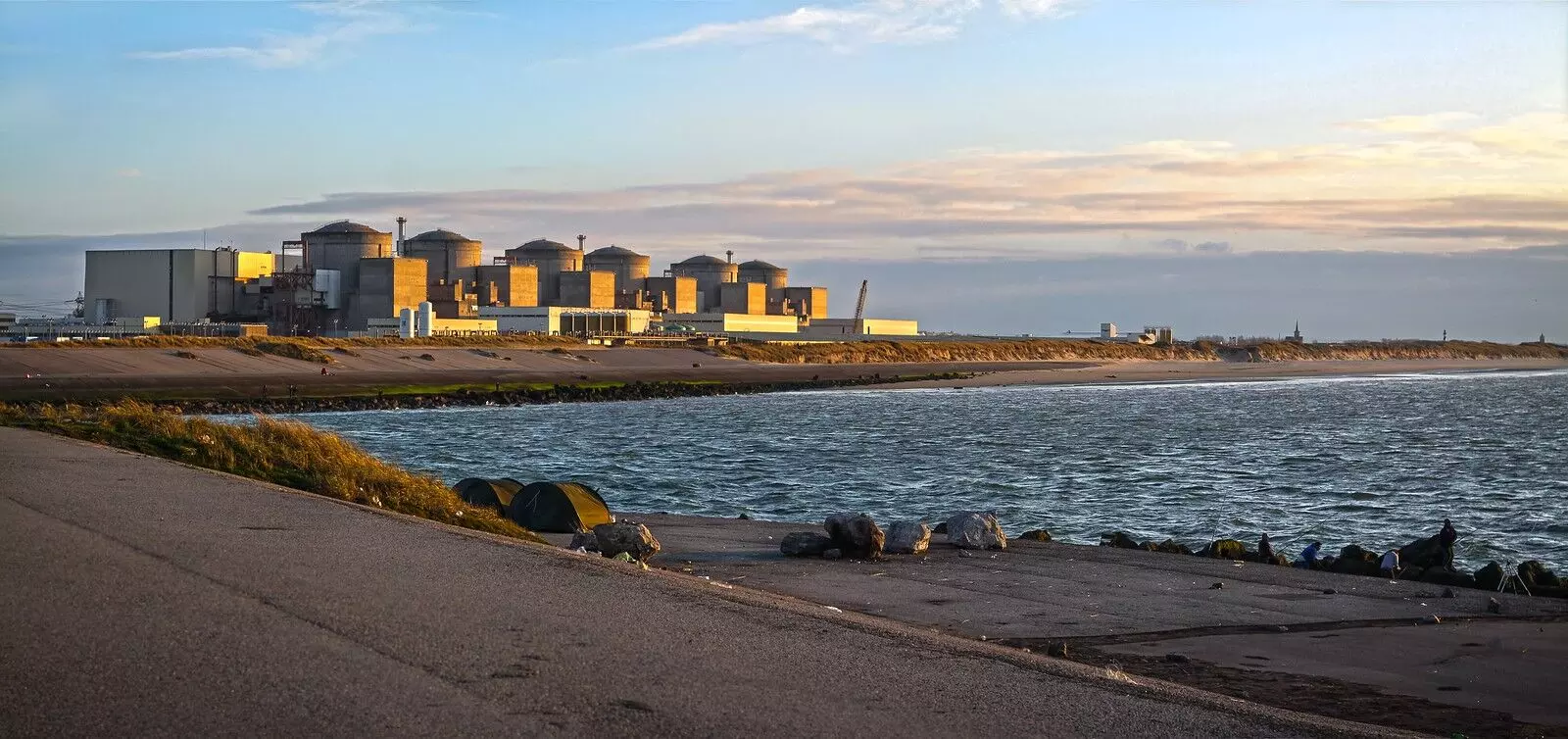
A massive swarm of jellyfish forced the shutdown of four reactors at France’s Gravelines nuclear power plant late Sunday, according to plant operator EDF. The unexpected event, believed to be linked to warming sea temperatures caused by climate change, has temporarily halted operations at one of the country’s largest nuclear facilities.
Gravelines, located between Dunkirk and Calais in northern France, pulls its cooling water from a canal connected to the North Sea. Of the plant’s six reactors, four were running at the time of the incident. The other two were already offline for scheduled maintenance.
According to EDF, reactors 2, 3, and 4 automatically shut down just before midnight after filters at the water intake became clogged with what the company described as a “massive and unpredictable” jellyfish bloom. Reactor 6 was taken offline a few hours later as a precaution. EDF emphasized that there was no risk to plant safety, staff, or the environment.
Marine biologists point to warming oceans and invasive species as key factors driving an increase in jellyfish populations. “Jellyfish breed more quickly in warmer waters, and in regions like the North Sea, their reproductive season is getting longer,” said Derek Wright, a marine biology consultant with NOAA Fisheries.
One particular species — the Asian Moon jellyfish, originally from the Pacific Northwest — has been identified in the North Sea since 2020. Known for thriving in calm, nutrient-rich environments like ports and canals, this jellyfish has already caused issues at nuclear facilities in China, Japan, and India. It’s believed the species spreads via ballast water from large ships.
Though harmless to humans — these jellyfish don’t sting — their impact on infrastructure is growing. “Nuclear energy is often seen as clean, but we’re only beginning to understand the ripple effects of climate change, like heat pollution and its role in events like this,” Wright added.
As global temperatures rise, incidents like this may become more common — posing new challenges for critical coastal infrastructure.