Nepal Election 2026: Balen Shah's RSP Heads for Landslide; Sweeps All 10 Kathmandu Seats
35-Year-Old Engineer Set to Become Prime Minister as Voters Reject Established Parties in Post-Gen Z Protest Polls

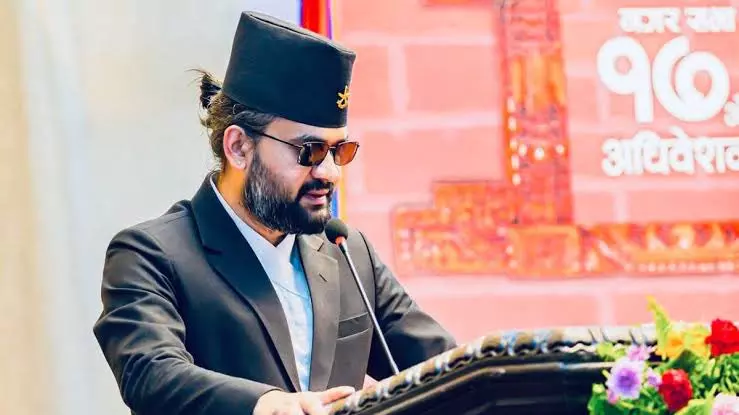
Nepal's first general elections since the landmark Gen Z protests are delivering a political earthquake. Balendra Shah's Rastriya Swatantra Party is storming towards a sweeping majority, having won 27 seats — including a clean sweep of all 10 constituencies in Kathmandu district — with results available from 161 of the 165 total constituencies, according to the Election Commission of Nepal.
The scale of the RSP's lead tells its own story. Beyond the 27 seats already won, the party is leading in another 97 — putting it on course for a dominant parliamentary presence. The traditional parties are trailing far behind: the Nepali Congress is leading in 10 seats, the CPN-UML in 10, the Nepali Communist Party in 10, and the Shram Sanskriti Party in five.
In terms of seats won outright, the contrast is stark — Nepali Congress has secured five seats, the Nepali Communist Party two, and the CPN-UML one.
The election's most symbolic result has come from Jhapa-5, where Balen Shah is defeating four-time Prime Minister and CPN-UML chair K.P. Sharma Oli — in Oli's own stronghold. Shah has amassed 39,284 votes against Oli's 10,293, a margin that encapsulates the scale of the political repudiation Nepal's voters appear to be delivering to the country's entrenched political establishment.
Popularly known simply as "Balen," the 35-year-old engineer-turned-politician first came to national attention as Mayor of Kathmandu. His rise to the prime ministership — now widely expected given the RSP's trajectory — would mark a generational rupture in Nepali politics. Nepal has had 14 governments in the last 18 years, and Thursday's results suggest voters have had enough of the cycle.