Nepal Social Media Ban Sparks Deadly Gen Z Protests, 14 Killed
A sweeping ban on 26 major platforms triggers violent youth-led demonstrations against corruption and digital curbs.
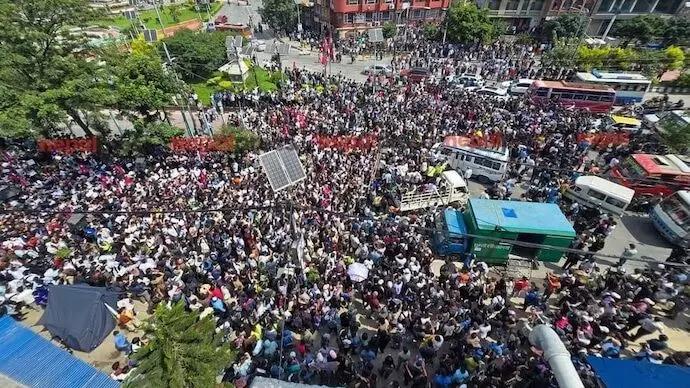
Nepal is witnessing its deadliest unrest in years after a government ban on 26 social media platforms, including Facebook, WhatsApp, Instagram, X, and YouTube, left at least 14 people dead in violent clashes with police.
The protests, which erupted after the September 5 deadline for mandatory registration of global platforms, have spread across Kathmandu and other cities, prompting curfews and army deployment in the capital. Dozens of people have been injured as demonstrators and security forces clashed near parliament, according to officials and local media reports .
Under the new rules, companies were required to establish a local office and compliance contacts in Nepal. While TikTok, Viber, and a handful of apps remain operational, most major platforms failed to meet the conditions, leading to their suspension. Authorities cite Supreme Court orders, revenue regulation, and the need to curb misinformation and fraud as reasons for the ban .
The restrictions have galvanized Nepal’s young population, giving rise to what is being called the “Gen Z Revolution.” Protesters, many of them students and first-time activists, say the movement is about more than digital rights. Anger over corruption, nepotism among political elites, and limited job opportunities has fueled chants against so-called “nepo kids,” shorthand for the children of senior politicians accused of privilege and systemic favoritism .
Witnesses reported large crowds breaching police barricades and storming restricted zones in central Kathmandu. Security forces responded with tear gas, rubber bullets, and live fire, escalating the violence. “This is no longer just about social media,” said one protester quoted by the Kathmandu Post. “It is about our future being stolen.”
Social media plays a crucial role in Nepal’s daily life, particularly for families relying on remittances and communication with relatives abroad. Analysts warn the ban could disrupt businesses, hinder digital connectivity, and damage investor confidence at a time when Nepal is seeking to expand its tech economy .
The unrest underscores a deeper generational divide. While the government frames the restrictions as a step toward accountability, critics say they represent an attack on freedom of expression. Rights groups have called on authorities to restore access and open dialogue with young citizens before the crisis escalates further .
With protests spreading beyond Kathmandu, observers caution that the crisis could widen unless both sides move toward compromise. As centenary tributes to cultural icons and debates on digital policy continue elsewhere in South Asia, Nepal finds itself at a critical juncture where governance, technology, and youth aspirations collide.