Pakistan Warns Afghan Taliban of ‘Consequences’ Over Cross-Border Terror, Accuses Kabul of Inaction on TTP

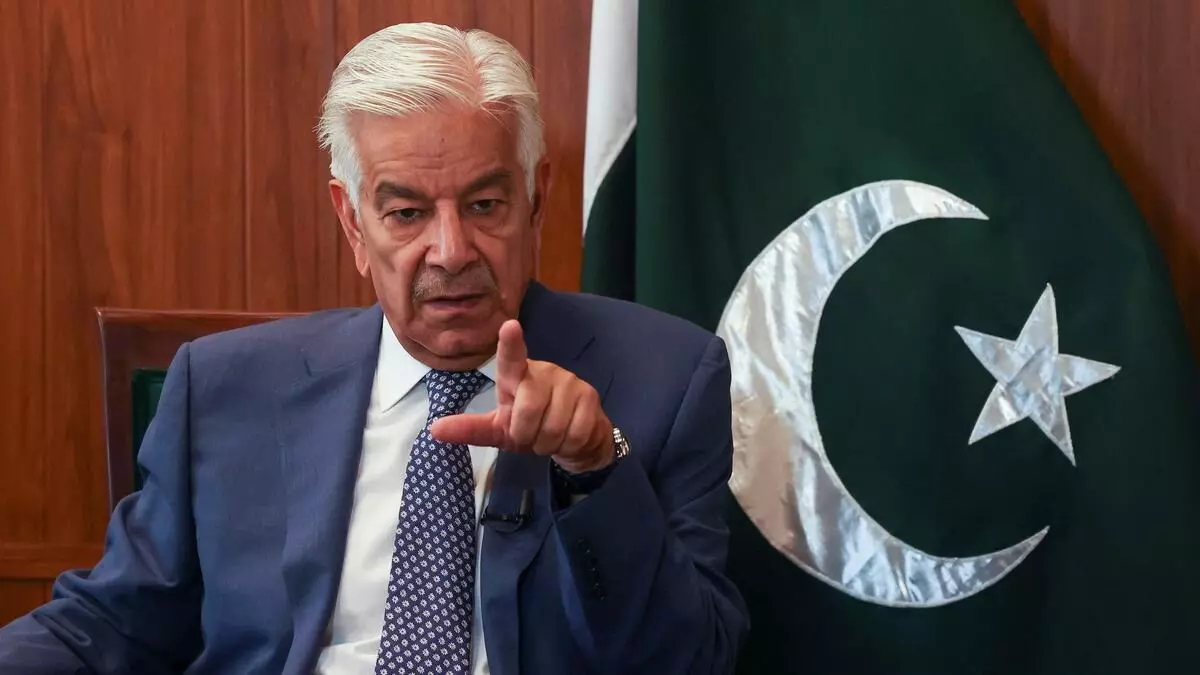
Pakistan's Defence Minister Khawaja Asif has issued yet another strongly worded warning to the Afghan Taliban, saying that it will have to "pay the price," should it fail to take action against militant groups in the border areas, who he claimed were launching attacks in Pakistan via Afghan soil.
Speaking to local media on Friday, Asif accused the Taliban of demanding PKR 10 billion (around USD 35.5 million) in exchange for handing over members of the Tehreek-e-Taliban Pakistan (TTP), without offering any guarantees to curb cross-border terrorism.
Emphasising on the need for cooperation, he claimed that the violence emanating from Afghanistan must end completely or any agreement between the two countries would become meaningless.
"Pakistan will not tolerate terrorism from any group — whether it's the TTP or Baloch separatists," he said, warning that Islamabad's response to future attacks would be "swift and strong."
Asif has repeatedly threatened action against the Afghan Taliban, and boasted that Pakistan would not even need to use a fraction of its power to drive back the Taliban to caves.
The latest barrage of threats from the Pakistani official comes post the second round of talks between the two nations in Istanbul. The dialogue - mediated by Turkey and Qatar - ended in failure, as it did not lead to any resolution or breakthroughs, though Pakistan's Foreign Ministry is more optimistic regarding the success of the upcoming third round of talks.
The Defence minister confirmed that the Pakistani delegation would be attending the next round of talks with the Taliban on Nov 6 in Istanbul, where discussions are expected to focus on finalising a new security framework.
He suggested that if progress is made, senior officials could join the talks, which may result in a formal mechanism to monitor militant activity along the border.
Claiming that Afghanistan was non-committal to ensuring security guarantees for Pakistan, he alleged that while Islamabad had shown flexibility in its approach, Kabul has yet to reciprocate.
"We were willing to pay more, but the Taliban refused to provide any security guarantees," he said, and warned that Islamabad's patience was wearing thin, and stressed that the Taliban's cooperation on counterterrorism was paramount for stabilising bilateral relations, and essential for regional security.
Since the Afghan Taliban's return to power in 2021, Pakistan has accused Kabul of allowing TTP fighters to regroup inside Afghanistan, leading to a surge in cross-border attacks in its border provinces of Khyber Pakhtunkhwa and Balochistan.
Responding to Asif's comments, Taliban spokesperson Zabihullah Mujahid said Kabul wanted to settle differences through dialogue, insisting that Afghan territory "poses no threat" to Pakistan and denied claims that the Taliban shelters or aids the TTP.
Mujahid also slammed Pakistan for conducting airstrikes in its urban centres like Kabul, Jalalabad, Khost, and settlements in border areas like Spin Boldak, and Paktika, which he said had killed numerous civilians, including three players of the Afghan cricket team.
"The Taliban does not want war," he said, calling for both sides to "address the real causes" of their disputes through talks rather than escalation.
Pakistan has continued to press for action against the TTP, though the Taliban has alleged that Islamabad has little interest in reaching any kind of actual accord, or peace settlement, as it consistently has avoided discussions on any meaningful compromises.
He further blasted Pakistan for claiming that Taliban should ensure security guarantees for Islamabad and reiterating the national stance, maintained that Pakistan's security is not the Taliban's responsibility, calling the TTP its "internal matter", stating that the surge in militancy was solely due to Pakistan's "own security failures."