Pakistan Weighs Looser IMF Targets to Pivot from Stabilisation to Growth in 2026–27 Budget

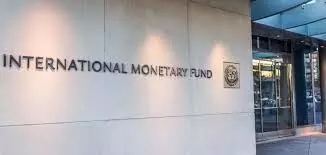
Amid the ongoing economic turmoil, the Pakistan government is weighing its options, and considering a push to secure looser fiscal and macroeconomic targets from the International Monetary Fund (IMF) ahead of the 2026–27 budget, as policymakers look for room to revive slowing economic activity after two years of tight stabilisation.
The internal debate has gained momentum amid growing criticism that the IMF's Extended Fund Facility has constrained growth through higher taxes and sharp increases in electricity and gas tariffs. Officials say the aim now is to recalibrate the programme to prioritise expansion, investment and job creation without abandoning overall fiscal discipline.
Government sources say Islamabad may seek IMF flexibility on key benchmarks, including the primary balance and provincial surplus targets, and could ask for permission to run a slightly higher fiscal deficit in the next financial year.
Officials have argued that additional fiscal space is needed to stimulate growth, reduce unemployment and poverty, and lower power costs for industry.
Whether the IMF agrees to relax programme targets will shape how far Islamabad can move from stabilisation toward growth in the 2026–27 budget.
After completing two years in office, the government believes it can now shift from crisis management to growth, with Prime Minister Shehbaz Sharif instructing the Ministry of Finance and the Federal Board of Revenue to engage more closely with the business community to attract both domestic and foreign investment, reports The News International.
At the centre of the emerging strategy is export-led growth. The prime minister has voiced concern over the widening trade deficit during the July–December period of the current fiscal year and has called for urgent measures to boost exports.
A parallel focus is on increasing investment, with the Special Investment Facilitation Council tasked with identifying and fast-tracking opportunities.
Reducing energy costs is another priority. Officials say further cuts to electricity tariffs are under discussion to help Pakistani manufacturers regain competitiveness in international markets.
Simultaneously, however, the government wants room to offer targeted tax incentives to spur private sector activity.
A draft industrial policy prepared by the government proposes a gradual rollback of the super tax on manufacturing, subject to IMF approval.
Under the plan, the super tax rate for the manufacturing sector would be reduced to 5 per cent over four years and abolished entirely in the fifth year, provided a primary budget surplus is achieved, though the policy has yet to be cleared by the global money lender.
As such, officials have argued that without a shift in emphasis, the economy risks remaining stuck in low gear just as the government is under pressure to deliver tangible improvements.
The proposals also include raising the minimum income threshold for manufacturers subject to super tax from PKR200 million (USD710,000) to PKR500 million (USD1.78 million).
Similarly, the threshold for the 10 per cent super tax would be lifted from PRK500 million (USD 1.78 million) to PKR 1.5 billion (USD5.33 million), while the rate itself would be halved over the next four years.
Another strand of the plan is to capitalise on easing inflation to press for cuts in the policy interest rate, lowering borrowing costs for businesses.
The government also wants banks to be given clearer lending targets to improve credit flows to the private sector, particularly to small and medium-sized enterprises.