Sheikh Hasina Marks 50th Jail Killing Day, Calls 1975 Murders a “Disgraceful Chapter” in Bangladesh’s History
Former Prime Minister pays tribute to four slain Awami League leaders, denounces the killings as part of a plot to erase Liberation War ideals and vows to uphold Bangabandhu’s vision of a democratic, prosperous Bangladesh.

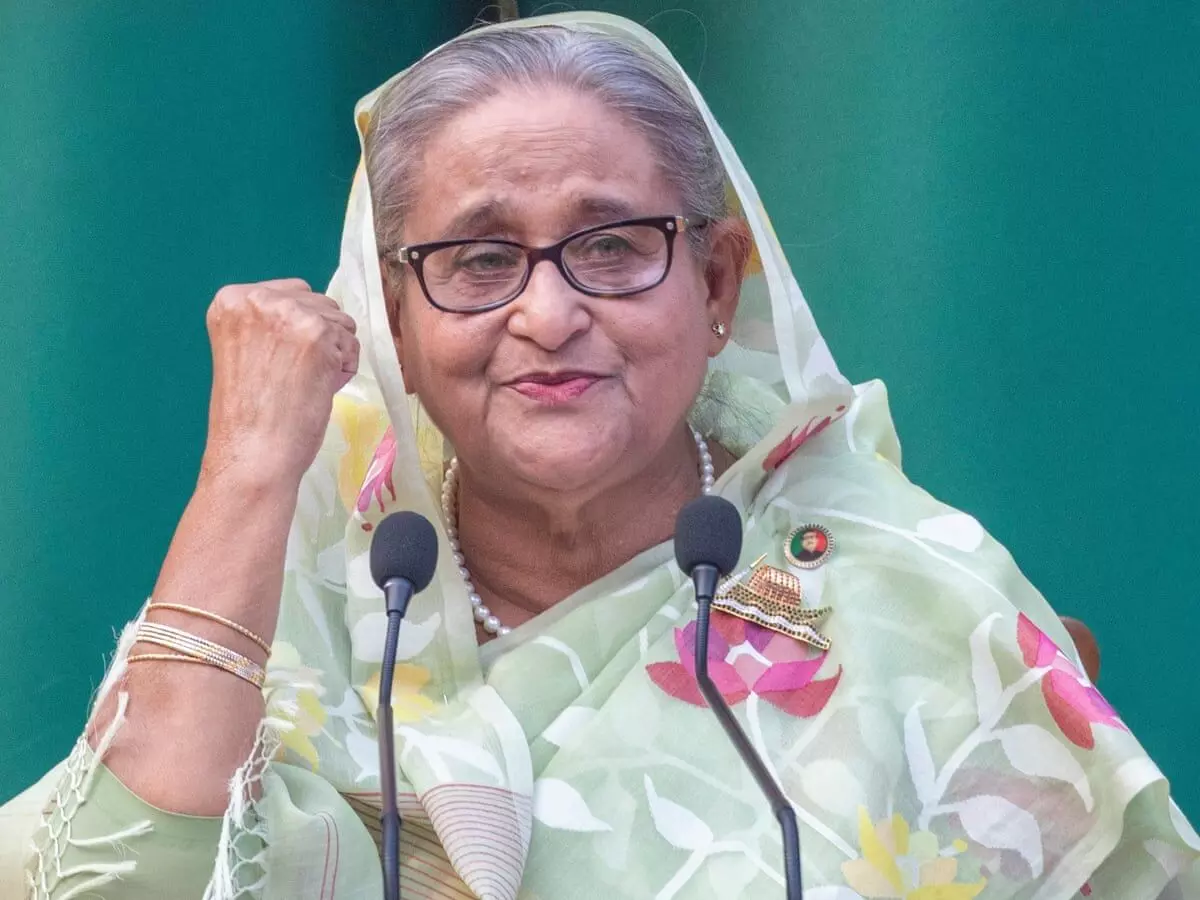
Former Bangladesh Prime Minister Sheikh Hasina, observing the 50th anniversary of the country's infamous Jail Killing Day on Monday, called the extrajudicial killings of four historical Awami League leaders and freedom fighters inside Dhaka Central Jail in 1975 as one of the most "painful and disgraceful" days in the nation's history.
The day marks the killing of Syed Nazrul Islam, Tajuddin Ahmad, Captain M. Mansur Ali, and A. H. M. Qamaruzzaman — four of the most prominent organisers of the 1971 Liberation War and key figures in the country's founding government — who were murdered on Nov 3, 1975.
Widely regarded as national heroes, they were killed little less than three months after the Bangladesh's founding father and its first PM, 'Bangabandhu' Sheikh Mujibur Rahman, was killed along with most of his family.
In a statement shared by Awami League leader Mohammad Ali Arafat on social media, Hasina said: "November 3 is an extremely heartrending, painful, and ignominious day in the history of Bangladesh. After the assassination of the Father of the Nation along with his family on August 15, 1975, the assassins imprisoned his political comrades.
"On this day, the anti-independence clique brutally murdered, within the secure confines of Dhaka Central Jail, the lifelong political companions of Bangabandhu and the principal leadership of the wartime provisional government — Syed Nazrul Islam, Tajuddin Ahmad, Captain M. Mansur Ali, and A. H. M. Qamaruzzaman."
Hasina – who is also the daughter of Mujibur Rahman – said that the killings were not only an attack on individuals but a deliberate attempt to erase the spirit of the Liberation War and reverse the democratic ideals upon which the nation was founded.
"Through this massacre, the country was rendered leaderless, the achievements of the Liberation War were undermined, and the defeated forces of 1971 found a way to re-enter national politics," she said.
The four leaders, who were the close aides of Bangabandhu, were also critical in organising the country's war of independence, during its former days as East Pakistan.
When Sheikh Mujibur Rahman was imprisoned by authorities in the erstwhile West Pakistan (today's Pakistan) during the 1971 war, they led the provisional government of Bangladesh – formed in exile in Mujibnagar, - and coordinated the military activities Mukti Bahini, with the Indian military, and its diplomatic outreach with government authorities worldwide, securing New Delhi's support, as well as appointing special envoys worldwide in the Western world.
This was a key factor in ensuring Dhaka's secession from Islamabad, and the country's creation. Their leadership was instrumental in rallying international support for Bangladesh's cause.
The former PM, paying her tributes to the four national icons, hailed their "patriotism, integrity, honesty, and self-sacrifice," calling them "exemplary models for future generations," adding that it was their courage and moral conviction which guided the nation during its darkest times and their vision to-date remains an inspiration to the Awami League today.
Describing the jail killings as part of a broader conspiracy, Hasina said the goal was to "wipe out the leadership that had given the country freedom" and clear the way for the anti-liberation and authoritarian forces that later seized power.
Reaffirming her party's commitment to the values of 1971, Hasina vowed that the Awami League "will not bow to any conspiracy, falsehood, or terror."
"Guided by the ideals of Bangabandhu, we will build a happy, prosperous, and modern Bangladesh — free from poverty, inequality, and corruption — a nation illuminated by the spirit of the Liberation War," she said.
The Jail Killing Day is annually observed as a nationwide day of mourning and lamentation, with the Awami League holding memorials and placing wreaths at the Old Central Jail in Dhaka, where the four leaders were executed, which is considered the final part of the coup, ending democracy and leading to the rise of a military junta.
A historical enigma, the event is still debated to this day as many unanswered questions have been asked by academics, politicians, students, regarding the full extent of the conspiracy — with only more theories emerging, while the truth behind the matter is all but veiled.