Taiwan Reports Surge in Chinese Military Activity as 30 PLA Aircraft, 7 Naval Vessels Encircle Island
Spike follows U.S. approval of $330 million arms sale; G7 reiterates opposition to coercive actions in Indo-Pacific and calls for peace, stability, and dialogue across the Taiwan Strait.

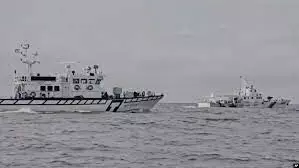
Taiwan’s Ministry of National Defence (MND) on Sunday reported a significant uptick in Chinese military activity around the island, detecting 30 People’s Liberation Army (PLA) aircraft, seven PLA Navy (PLAN) vessels, and one Chinese official ship operating near its territorial waters as of 6 am.
According to an MND post on X, 17 of the aircraft crossed the median line of the Taiwan Strait and entered the island’s northern, central, southwestern, and eastern Air Defence Identification Zone (ADIZ).
“30 PLA aircraft, 7 PLAN vessels and 1 official ship operating around Taiwan were detected up until 6 a.m. (UTC 8) today. 17 sorties crossed the median line and entered Taiwan's northern, central, southwestern and eastern ADIZ. We have monitored the situation and responded,” the ministry said.
To counter China’s activities, Taiwan deployed aircraft and naval vessels and activated coastal-based missile systems to monitor Chinese movements.
Today's activity followed a similar pattern to the previous day, when the MND recorded 20 PLA aircraft and six PLAN vessels around Taiwan. Of the 20 aircraft, 17 crossed the median line and entered the northern and southwestern ADIZ.
“20 sorties of PLA aircraft and 6 PLAN vessels operating around Taiwan were detected up until 6 a.m. (UTC 8) today. 17 out of 20 sorties crossed the median line and entered Taiwan's northern and southwestern ADIZ. We have monitored the situation and responded,” the ministry reported on Saturday.
The increase in China’s activity comes after the United States, on November 13 approved a USD 330 million sale of fighter jet and other aircraft parts to Taiwan, inviting sharp criticism from Beijing.
Washington remains Taiwan’s largest arms supplier and a central deterrent against a possible Chinese offensive, though Trump’s earlier remarks on the island had fuelled questions about his commitment to its defence.
China considers Taiwan part of its territory and has warned that it could use force to bring the island under its control.
Recently, G7 Foreign Ministers, meeting under Canada’s presidency in Niagara on November 11–12, reiterated their commitment to a free and open Indo-Pacific governed by international law.
In a joint statement, the ministers strongly opposed “any unilateral attempts to change the status quo, in particular by force or coercion, including in the East China Sea and the South China Sea.”
The G7 expressed “serious concern over the use of dangerous manoeuvres and water cannons in the South China Sea” and noted continued attempts to restrict navigation and overflight through militarisation and coercive practices. The ministers reaffirmed that the July 12, 2016 Arbitral Tribunal ruling remains “a significant milestone, binding upon the parties.”
Emphasising the importance of peace and stability across the Taiwan Strait, the G7 opposed any unilateral change to the status quo and urged peaceful dialogue on cross-Strait issues. They also expressed support for Taiwan’s “meaningful participation in appropriate international organisations.” The statement additionally flagged China’s ongoing military build-up and rapid nuclear expansion, calling on Beijing to demonstrate commitment to stability through greater transparency.