The Pearl Harbour Paradox: When Surprise Warfare Eclipses Strategic Trust
Trump’s Pearl Harbour Remark to Japan PM Sanae Takaichi Signals Shift in US Foreign Policy, Raising Concerns Over Alliance Trust, Indo-Pacific Security, and Strategic Secrecy.

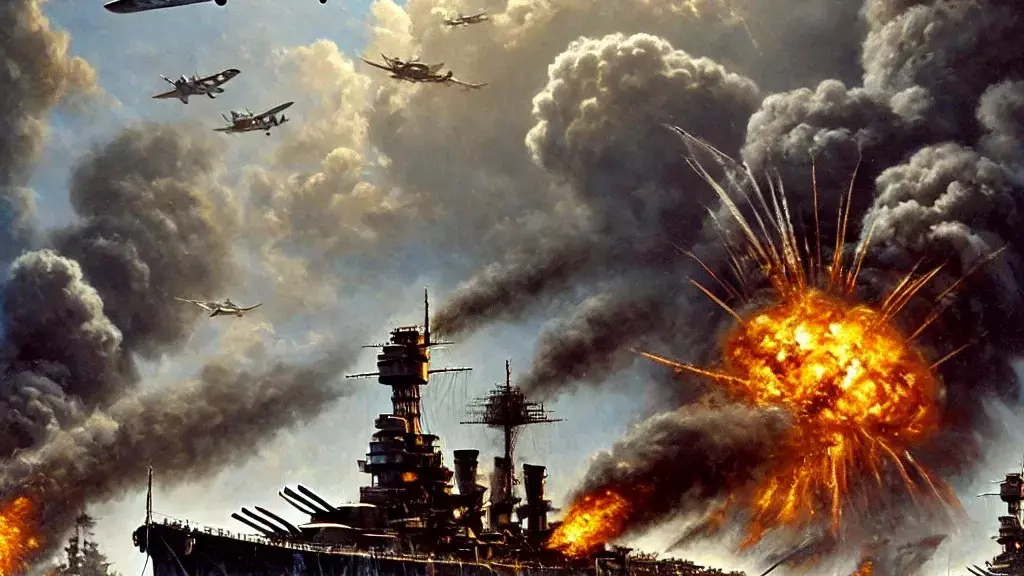
In the high-stakes theatre of global diplomacy, language often carries the weight of policy. On March 20, 2026, during what was meant to reinforce the U.S.-Japan alliance, U.S. President Donald Trump unsettled decades of diplomatic convention with a pointed remark to Japanese Prime Minister Sanae Takaichi: “Why didn’t you tell me about Pearl Harbour, OK?”
The comment, delivered in a formal bilateral setting, has since come to define a broader shift in Washington’s strategic posture—one where operational secrecy appears to outweigh alliance consultation. Far from being dismissed as an offhand remark, the exchange is being read in diplomatic circles as an articulation of a new doctrine: surprise as strategy, even at the cost of trust.
The irony of the setting was striking. Takaichi, known for her assertive stance on defence and her push for Japan’s “proactive contribution to peace,” had arrived in Washington to consolidate security cooperation amid rising Indo-Pacific tensions. Her emphasis on a “shared goal” and assertion that “Japan is back” underscored Tokyo’s intent to play a larger role in regional stability. Trump’s invocation of the 1941 attack, however, abruptly shifted the tone—drawing Japan back into a historical narrative it has spent decades attempting to move beyond.
By linking recent U.S. military strikes on Iran with the notion of “surprise,” Trump appeared to reframe American military conduct through a controversial lens. Former Indian Foreign Secretary Kanwal Sibal observed that such a comparison risks equating U.S. actions with unprovoked aggression, raising questions about the consistency of Washington’s adherence to international norms.
At the core of the issue lies the administration’s defence of secrecy. Trump’s assertion that informing allies would have “signalled too much” highlights a growing mistrust, even among longstanding partners. For Japan—host to key U.S. military bases and heavily reliant on American security guarantees—the implication is stark. Being excluded from prior consultation on actions with direct regional consequences signals a recalibration of alliance dynamics.
This emerging “post-consultative” approach carries tangible risks. Without advance notice, allies are left to manage the fallout of military actions independently—whether through economic disruptions, shifts in energy supply routes, or heightened security threats. Japan, which imports over 90% of its crude oil from the Middle East, faces immediate vulnerability when conflict escalates in the region. Reports of halted shipping through the Strait of Hormuz underscore the economic stakes.
The contradiction is further evident in Japan’s ongoing efforts to reduce energy dependence through a $40 billion nuclear transition plan involving American firms. Sudden destabilisation in the Middle East, without prior coordination, complicates these long-term strategies, even as Washington continues to press allies for greater financial contributions towards defence.
For Takaichi, often compared to Margaret Thatcher for her firm defence posture, the episode carries political and symbolic weight. Widely regarded as one of the most pro-American leaders in recent Japanese history, her public response—marked by visible discomfort—captured the unease within Tokyo’s strategic establishment.
Beyond the immediate diplomatic strain, the broader implications are significant. Analysts suggest that a continued reliance on unilateral “surprise” actions could prompt allies to reassess their dependence on U.S. security guarantees. Early indications point towards a gradual shift, with countries such as Japan, South Korea, and key European powers exploring more autonomous defence frameworks.
Trump’s approach assumes operational advantages in isolation. However, in an interconnected global order, the ripple effects of military decisions extend far beyond the battlefield—impacting financial markets, energy flows, and diplomatic alignments from Tokyo to New Delhi.
The Pearl Harbour remark, therefore, is being interpreted not as rhetorical misstep but as strategic signal. It underscores a moment where the distinction between ally and observer appears to be narrowing, and where historical memory is being repurposed within contemporary policy discourse.
For Japan, the message from Washington is unambiguous. While the alliance remains intact on paper, its underlying assumptions are being tested. As Tokyo recalibrates its position, the challenge for the coming decade will be to navigate a partnership where consultation is no longer guaranteed, and where stability may depend as much on autonomy as on alliance.