Trump Announces Five-Day Pause On Iran Strikes After 'Productive' Talks
US halts planned attacks on Iranian energy infrastructure as diplomacy resumes; Iran deploys 4,000-km missiles, over 2,000 killed since conflict began

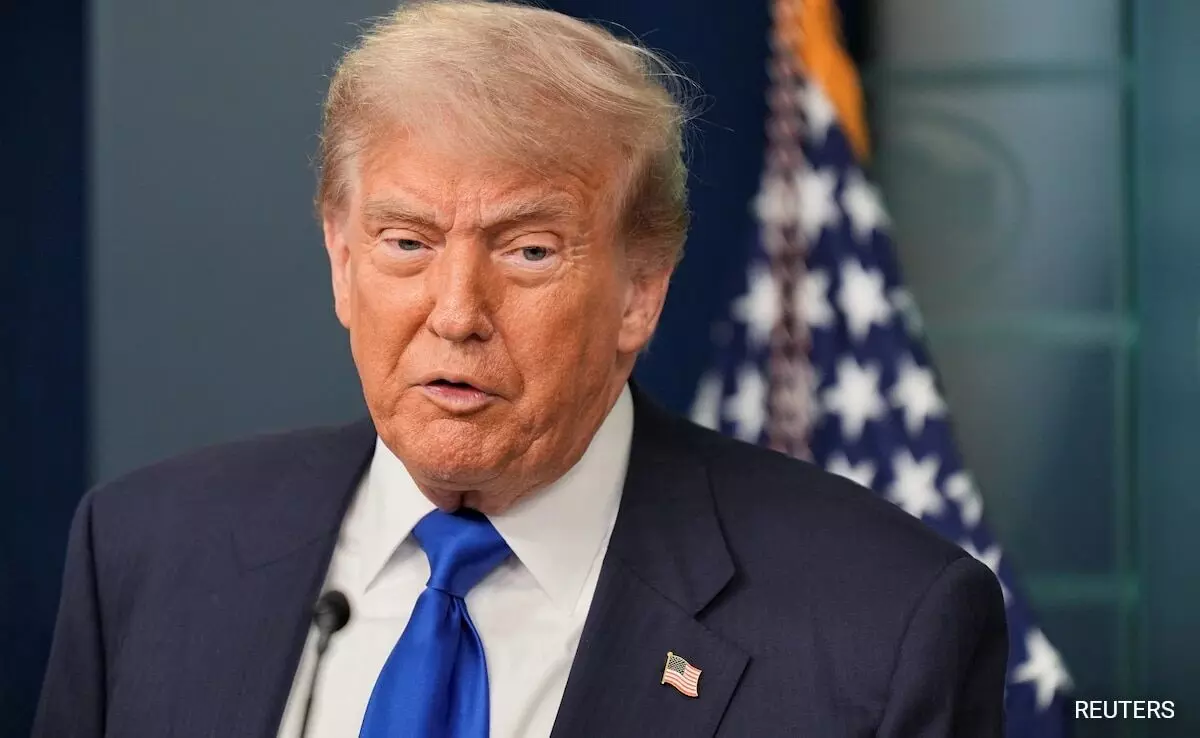
US President Donald Trump announced a five-day pause on planned military strikes against Iranian power plants and energy infrastructure on Monday, saying the two countries had held "very good and productive" talks over the past two days that could lead to a "complete and total resolution" of hostilities in the Middle East.
In a post on Truth Social, Trump said he had instructed the Department of War to postpone all planned strikes on Iranian energy infrastructure for five days, subject to the continued progress of ongoing diplomatic talks. The announcement came just 24 hours after Trump had issued a stark 48-hour ultimatum threatening to "hit and obliterate" Iranian power plants if Tehran did not fully reopen the Strait of Hormuz. Iran's embassy in Kabul framed the pause as a climbdown, saying Trump had "backed down after Iran's firm warning."
Tehran has not offered a complete reopening of the Strait of Hormuz. Iran's permanent representative to the International Maritime Organization, Ali Mousavi, said the waterway would remain open to all vessels except those linked to its "enemies" — the United States and Israel. He said Iran was willing to cooperate with the IMO on maritime safety for non-enemy shipping but insisted that a complete cessation of US-Israeli aggression and the rebuilding of mutual trust were prerequisites for any broader resolution. "Diplomacy remains Iran's priority," Mousavi said, while firmly placing responsibility for the Hormuz disruption on the US-Israeli strikes that began on February 28.
The diplomatic overture came against a backdrop of sharply escalating military moves. Israel confirmed that Iran had deployed long-range ballistic missiles for the first time, with Israeli military chief Eyal Zamir revealing that two missiles with a 4,000-kilometre range had been launched towards the US-UK military base on Diego Garcia. Zamir warned that the missiles' range brought European capitals — Berlin, Paris, and Rome — within direct strike distance, significantly widening the conflict's potential geographic scope. Iran's Unified Combatant Command has warned that any attack on its energy infrastructure would trigger retaliatory strikes on all US energy infrastructure across the region.
The human cost of the conflict continues to climb. More than 2,000 people have been killed in Iran since US and Israeli strikes began, while Iranian attacks have claimed at least 15 lives in Israel. Recent missile strikes hit the southern Israeli cities of Dimona and Arad, injuring several civilians. Israeli Prime Minister Benjamin Netanyahu said Israel would continue its military operations on all fronts, calling it "a very difficult evening in the battle for our future."