Trump Slams India’s Tariffs, Cites Harley-Davidson as Example of “One-Sided” Trade
While Trump claimed that Harley-Davidson and similar bikes faced a “200%” tariff, the actual rate was 100% when he first raised the issue in 2018, and it was later lowered.

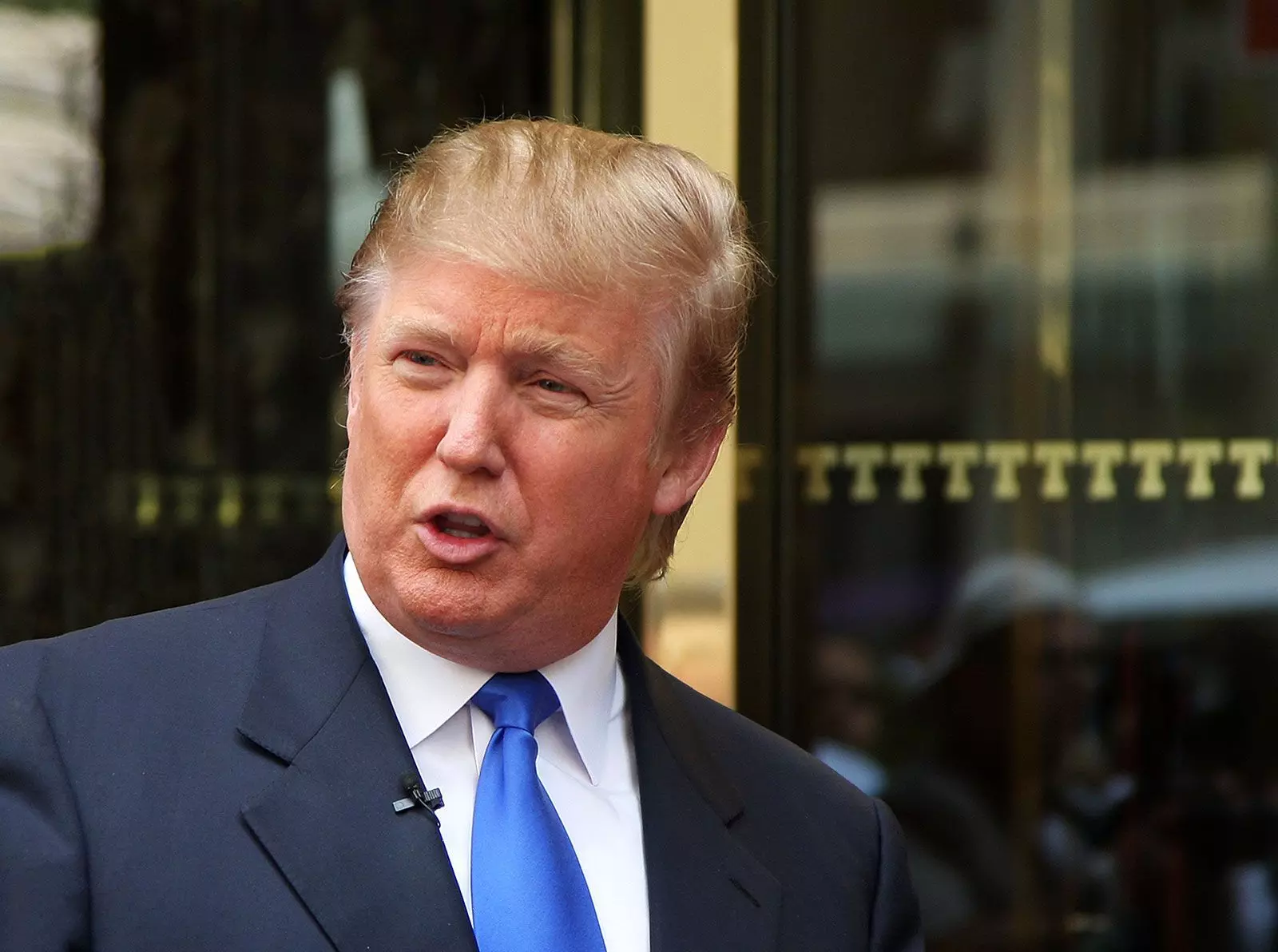
Former U.S. President Donald Trump once again criticized India’s high import duties during a press conference from the Oval Office, using Harley-Davidson motorcycles as an example to highlight what he called an unfair trade relationship.
Trump accused India of imposing some of the highest tariffs in the world, particularly targeting American products while benefiting from a lack of reciprocal duties. “We weren’t doing much business with India, but they were doing business with us because we weren’t charging them — foolishly,” he said. “Everything they made poured into the U.S. market, while we couldn’t send much back because they were charging us 100% tariffs.”
He pointed specifically to Harley-Davidson motorcycles, claiming the iconic American brand was hit with a 200% tariff, making it nearly impossible to compete in the Indian market. However, while Trump has repeated that figure on multiple occasions, the actual import duty was 100% when he first brought up the issue in 2018. Since then, India has gradually reduced import taxes on motorcycles: currently, bikes up to 1,600 cc are taxed at 40%, and those above 1,600 cc at 30%.
Earlier trade negotiations had hinted that India might allow duty-free imports for a limited number of large bikes, but talks eventually stalled. Since then, India has appeared to shift focus toward strengthening economic ties with China and Russia as a counter to what it sees as “tariff aggression” from the U.S.
On broader trade matters, Trump claimed that even U.S. allies admitted to taking advantage of America's lenient trade policies in the past. “One of the leaders of one of these countries, a friend, told me... ‘It is amazing we got away with it for so long,’” he said.
When asked if he would consider lowering India's 50% tariff, Trump replied, “We get along with India very well. But you have to understand, for many years it was a one-sided relationship. That only changed after I came along — because of the power we now have.”
The remarks come amid renewed global debate over tariffs and trade imbalances, especially as both the U.S. and India prepare for key elections next year.