Trump’s ‘Board of Peace’: A New Global Power Play Draws Support, Skepticism, and Sharp Divisions
Proposed as an international peace-building body chaired by Donald Trump, the initiative has invited over 60 countries, asked for billion-dollar commitments, and sparked mixed reactions from allies, rivals, and major powers including India and China.

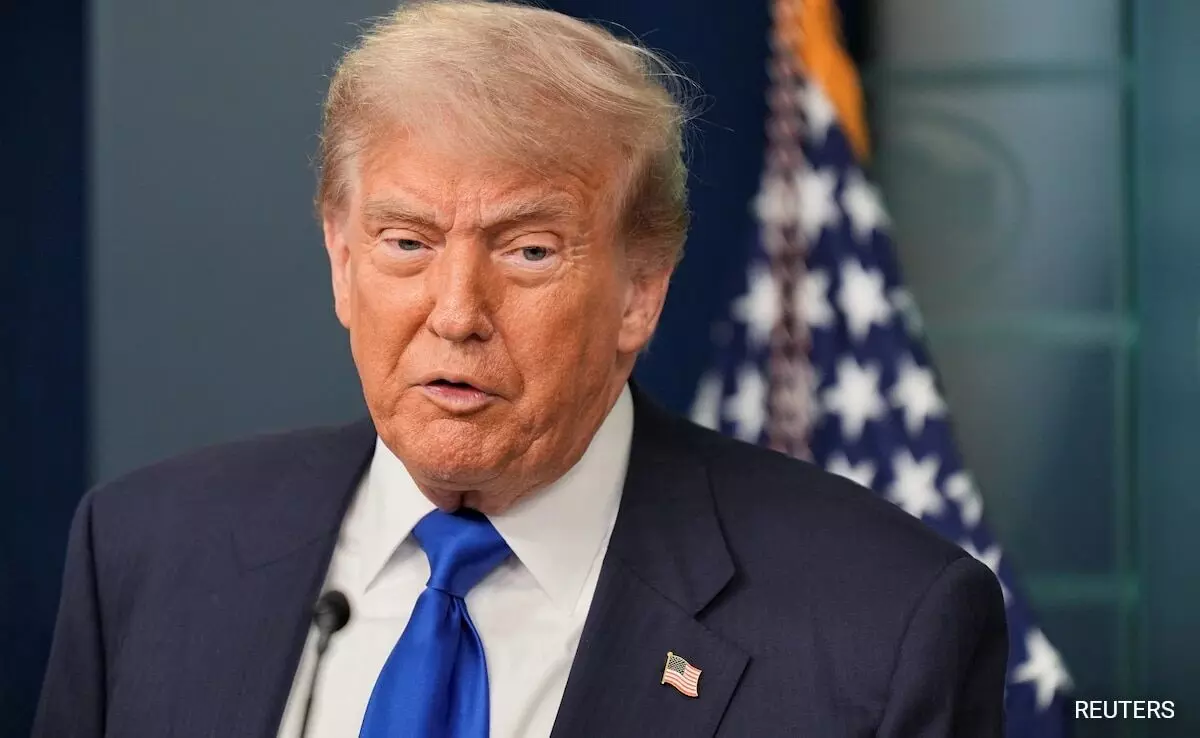
The US government under President Donald Trump has invited dozens of countries to join a new initiative called the “Board of Peace,” an international body Trump is presenting as a platform to resolve major geopolitical conflicts. Countries invited to participate have reportedly been asked to contribute up to $1 billion for a permanent seat on the board.
The idea for the Board of Peace was initially linked to overseeing the rebuilding of Gaza, but its charter does not limit its scope to the Palestinian territory. Instead, it positions the board as a broader global peace-building institution.
So what exactly is this new initiative, and who is getting involved? And where does India stand?
According to the charter circulated among invited countries, the Board of Peace is described as an international organisation designed to promote stability, restore lawful governance, and secure lasting peace in regions affected by or at risk of conflict. The document states that the board’s work will be carried out in accordance with international law.
Donald Trump will chair the organisation. The executive board will consist of seven members: US Secretary of State Marco Rubio, Trump’s special negotiator Steve Witkoff, his son-in-law Jared Kushner, former British prime minister Tony Blair, billionaire investor Marc Rowan, World Bank president Ajay Banga, and US National Security Council official Robert Gabriel.
The charter specifies that the Board of Peace will formally come into existence once three countries express their consent to be bound by it.
Trump is expected to serve not only as chairman but also separately as the US representative on the board. A US official told AFP that Trump could remain chairman even after leaving office, unless he chooses to resign. While a future US president could appoint a different American representative, the chairmanship itself would remain with Trump unless he steps down or becomes incapacitated.
The charter grants the chairman sweeping authority, including the exclusive power to create, modify, or dissolve subsidiary bodies under the board. Trump will also appoint executive board members, described as leaders of global stature, to two-year terms, with the ability to remove them at will.
Membership is by invitation only, extended by the US president, and member states are to be represented by their head of state or government. Each country’s term is limited to three years, unless it contributes more than $1 billion in cash within the first year, in which case the term limit does not apply.
More than 60 countries have reportedly received invitations, including both US allies and adversaries. India is among them, but it has not yet decided whether to join.
Indian officials have confirmed receiving the invitation and said the matter is under review due to its sensitive nature. India has reiterated its support for a two-state solution and for initiatives aimed at achieving lasting peace, but has not committed to participation.
A US official emphasized that membership does not require mandatory funding, aside from whatever contribution a country chooses to make voluntarily. The board would meet annually, with decisions made by majority vote and the chairman casting the deciding vote in case of a tie.
Several governments have quickly signaled their willingness to participate. These include Hungarian Prime Minister Viktor Orbán, Israeli Prime Minister Benjamin Netanyahu, Azerbaijan’s President Ilham Aliyev, and the United Arab Emirates. Pakistan has formally accepted the invitation as well.
Canada has said it will participate but will not pay the $1 billion fee for permanent membership. Other countries that have agreed to take part include Morocco, Vietnam, Kazakhstan, Hungary, Argentina, Armenia, and Belarus.
China has rejected the proposal, saying it will continue to defend an international system centered on the United Nations. France has also indicated it will not join, prompting Trump to threaten steep tariffs on French wine.
Ukrainian President Volodymyr Zelensky has said it would be extremely difficult for Ukraine to sit on a council alongside Russia, given Moscow’s ongoing invasion. Britain echoed those concerns, stating that Vladimir Putin is the aggressor in an illegal war and has shown no genuine commitment to peace.
Italy has declined to participate, as have Norway and Sweden. Norwegian officials said the proposal raises too many unanswered questions and that the country would not attend any signing ceremony. Sweden’s prime minister similarly said the current text of the agreement is unacceptable.
As the invitations continue to generate debate, the future shape and influence of Trump’s Board of Peace remains uncertain, with major global powers divided over whether it represents a genuine peace initiative or a controversial parallel to existing international institutions.