Understanding the UK Emergency Alert System: What You Need to Know
Explore the UK Emergency Alert System: its purpose, functionality, and how to stay prepared for emergencies.

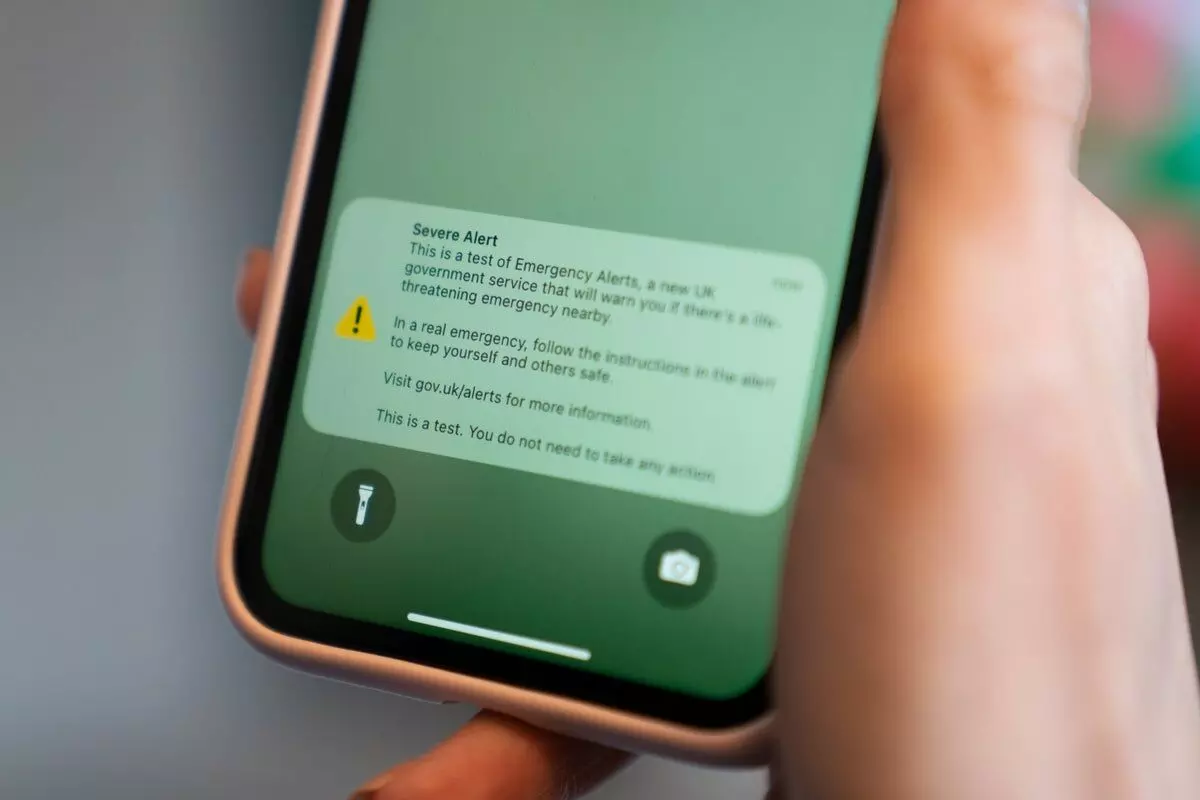
The recent nationwide test of the UK emergency alert system has sparked a wave of inquiries and discussions across the country. At approximately 3 PM on a Sunday, millions of mobile phones vibrated and sounded a siren for ten seconds, marking the second test of its kind since the system's rollout. The government aims to prepare citizens for life-threatening emergencies, and this test was a critical step in ensuring the system functions as intended.
What is the UK Emergency Alert System?
The UK emergency alert system is designed to warn citizens about life-threatening emergencies in their vicinity. The alerts can be sent for various emergencies, including severe weather events, terrorist threats, and other situations where immediate action is necessary. The government has previously utilized this system to send warnings during critical incidents, such as the discovery of an unexploded WWII bomb in Plymouth or severe weather alerts during Storm Darragh and Storm Eowyn.
Many people have asked, "Why didn't I get the emergency alert on my phone?" This question is crucial, especially since not all mobile devices activated during the test. The alert system only works on phones connected to 4G and 5G networks. Additionally, older mobile phones or those switched off or set to flight mode did not receive the alert. Importantly, individuals can opt out of receiving these alerts for various reasons, including personal safety concerns for domestic abuse survivors.
How Do Emergency Alerts Function?
Emergency alerts are designed to override normal volume settings, ensuring that they are heard even in noisy environments. During the recent test, users received a clear message indicating it was a drill: "This is a test of Emergency Alerts, a UK government service that will warn you if there’s a life-threatening emergency nearby." In a real emergency, the alert would provide instructions on how to stay safe. The system aims to reach as many people as possible, and regular testing is essential to ensure its effectiveness.
As I reflect on the recent test, it becomes evident that preparedness is key when it comes to emergencies. The UK government has emphasized the importance of educating the public on how to prepare for various emergencies. Citizens can find valuable resources at gov.uk/prepare, which includes tips on emergency planning. It's important to remember that being informed and prepared can make a significant difference in critical situations.
Real-World Examples of Emergency Alerts in Action,The emergency alert system has been utilized during real-life emergencies, proving its effectiveness. For instance, during Storm Darragh, approximately 3.5 million people received alerts in Wales and the south-west of England. Similarly, alerts were sent to 15,000 phones during flooding in Cumbria and 10,000 during an incident in Leicestershire. These incidents demonstrate how targeted alerts can provide timely information to those at risk, potentially saving lives.
In conclusion, the UK emergency alert system is a vital tool for public safety. While the recent test raised questions and concerns among some citizens, it serves as a reminder of the importance of being prepared for emergencies. Understanding how the system works and staying informed can empower individuals to take appropriate actions in the event of a real emergency. For more information, citizens are encouraged to visit gov.uk/alerts and stay updated on emergency procedures. This proactive approach can ultimately lead to a safer community for all.