US May Withdraw Penal Tariffs on Indian Imports by November 30: CEA Nageswaran
Frustrated by India’s continued oil trade with Russia, US President Donald Trump imposed an additional 25% tariff on Indian imports, which came into effect in August.

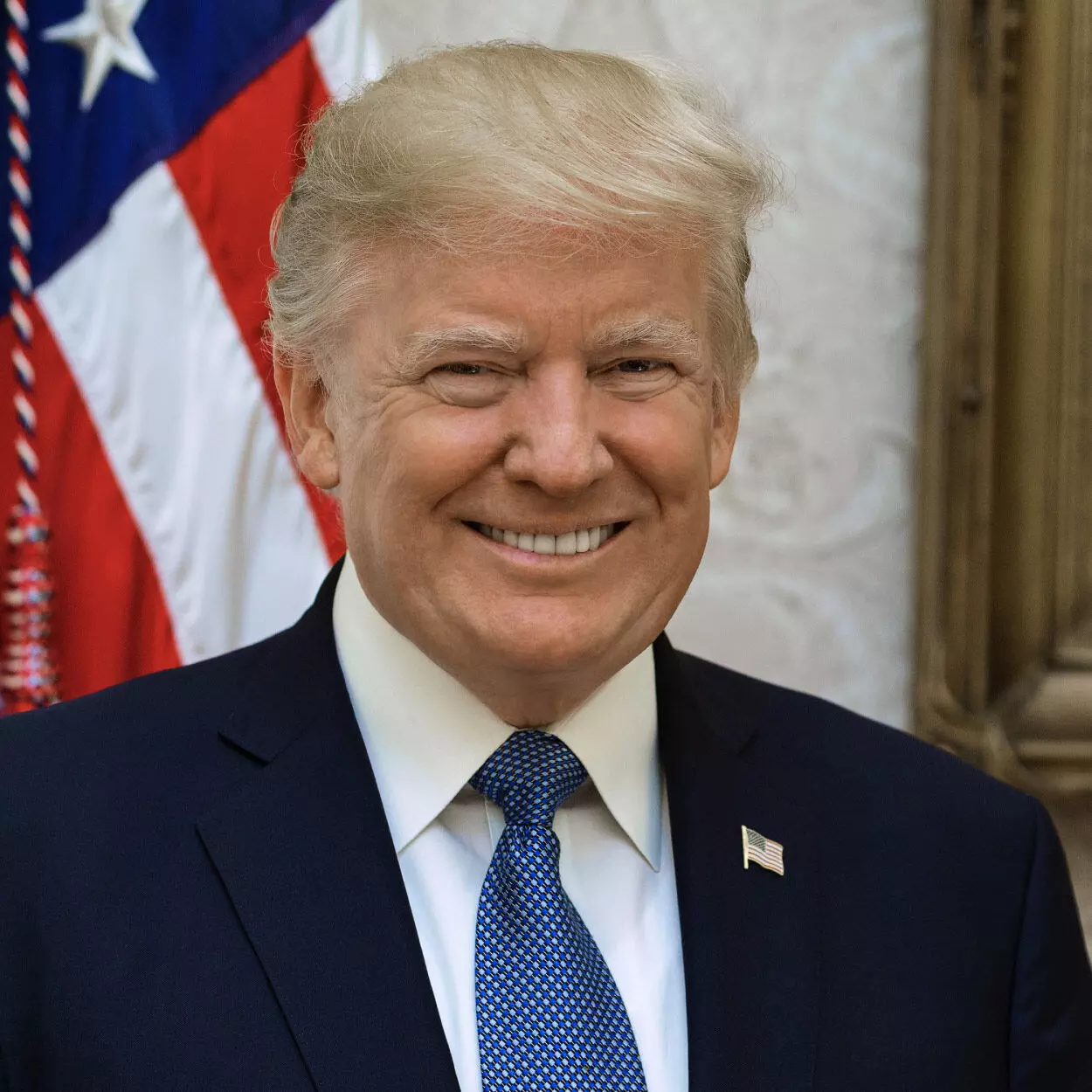
Chief Economic Adviser (CEA) V Anantha Nageswaran has expressed optimism that the penal tariffs imposed by the United States on Indian imports could be lifted by the end of November, signaling a potential easing of trade tensions between the two nations.
Speaking at an event on Thursday, Nageswaran acknowledged the impact of the additional 25% penal tariff—imposed on top of an existing 25% reciprocal tariff—calling the move “unexpected” and attributing it partly to shifting geopolitical dynamics.
“Yes, the original reciprocal tariff of 25% and then the penal tariff of another 25% were both unanticipated. I believe the second 25% may have been influenced by geopolitical circumstances. But based on recent developments over the past few weeks, I have a strong sense—intuitively—that the penal tariff will likely not be in place after November 30,” he said, as quoted by ANI.
The additional duties, which took effect on August 27, were announced by former US President Donald Trump. The move came amid US displeasure over India’s continued oil trade with Russia. The 50% total tariff severely impacted Indian exports to the US, adding fresh tension to an already complex trade relationship.
However, Nageswaran is hopeful the matter will be resolved soon. “Conversations are already happening quietly between both governments. My hunch is that in the next eight to ten weeks, we could see a resolution,” he told PTI.
Since the tariffs were imposed, diplomatic exchanges between Prime Minister Narendra Modi and President Trump have reportedly taken a more positive turn, laying the groundwork for improved bilateral trade ties.
Adding to India’s case, the US Appeals Court recently ruled that Trump’s imposition of reciprocal tariffs on India and several other nations was unlawful. The former president had invoked the International Emergency Economic Powers Act (IEEPA) of 1977 to justify the tariffs. However, the court held that the law did not grant the president authority to impose such duties or taxes.
The case is now headed to the US Supreme Court, with a hearing expected in early November, raising hopes of a quicker legal resolution as well.