US Puts Forward 15-Point Plan To End Iran War; Tehran Rejects Talks
Washington proposes 30-day ceasefire, nuclear dismantlement, and Hormuz reopening; Iran demands reparations and US base closures, says it will never negotiate with America

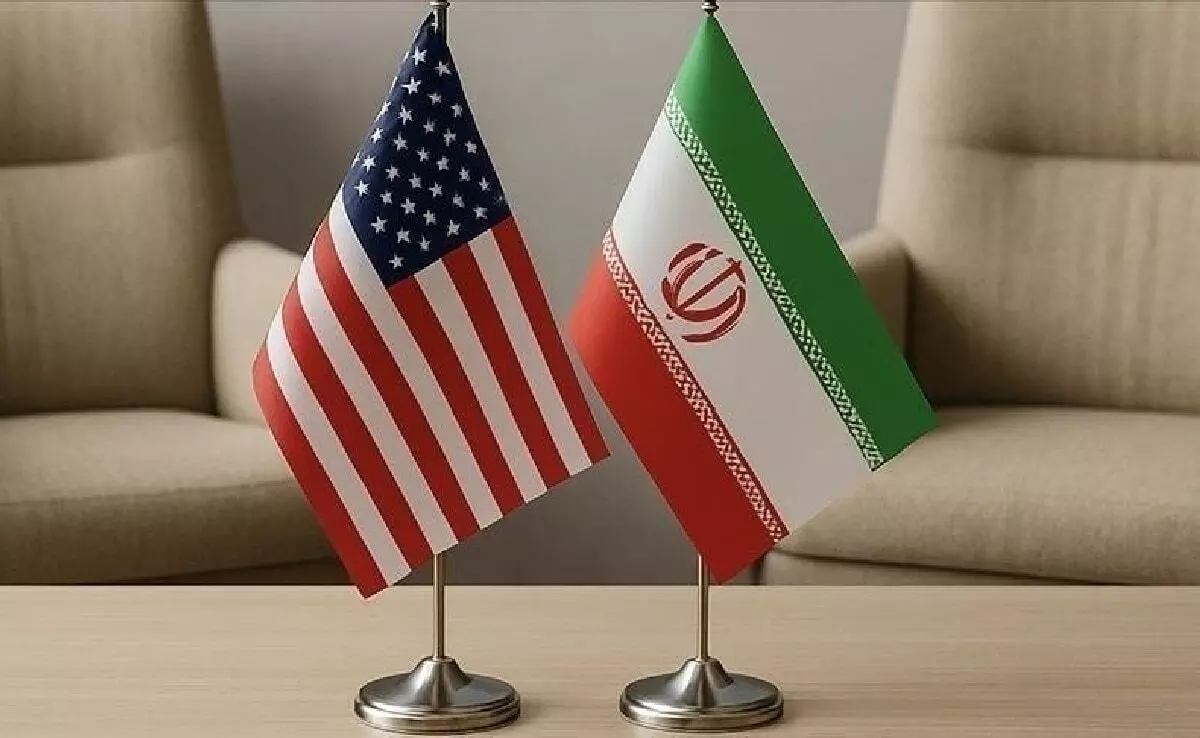
The United States has put forward a 15-point peace proposal to end its ongoing war with Iran, even as Tehran flatly denied that any formal negotiations are taking place — deepening the diplomatic impasse in a conflict that has claimed thousands of lives and roiled global energy markets since it began on February 28.
The US plan, reported by Al Jazeera without official confirmation from any of the three parties, centres on a 30-day ceasefire as the entry point for a longer-term settlement. Key American demands include the dismantling of Iran’s nuclear facilities at Natanz, Isfahan, and Fordow; a permanent Iranian commitment to never develop nuclear weapons; handover of enriched uranium stockpiles to the IAEA; full international monitoring of Iran’s nuclear infrastructure with no domestic enrichment; limits on the range and number of Iranian missiles; an end to Iranian support for regional proxies; a halt to strikes on Gulf energy infrastructure; and the full reopening of the Strait of Hormuz.
In return, Washington is offering the removal of US sanctions on Iran, termination of the UN snapback mechanism, and support for civilian electricity generation at Iran’s Bushehr nuclear plant.
Iran has not only rejected the terms but denied that negotiations are occurring at all. Iranian military spokesperson Ebrahim Zolfaqari was withering in his response: “Has the level of your inner struggle reached the stage of you negotiating with yourself? People like us can never get along with people like you. Not now. Not ever.” The IRGC has categorically ruled out talks, particularly after what Iran describes as attacks carried out during earlier negotiation phases.
Iranian President Masoud Pezeshkian said the only path to peace lay in recognising Iran’s legitimate rights, payment of reparations, and firm international guarantees against future aggression. Tehran is also seeking the closure of US military bases in the region and a new framework for controlling transit through the Strait of Hormuz.
The conflict erupted on February 28 when the US and Israel launched coordinated strikes on Iran, killing Supreme Leader Ali Khamenei. The war has since caused heavy casualties, disrupted global oil and gas supplies, and triggered one of the worst energy crises in decades. The US is simultaneously preparing for possible further escalation, with reports of additional troop deployments to the region.