US Supreme Court Strikes Down Trump Tariffs in Landmark Ruling

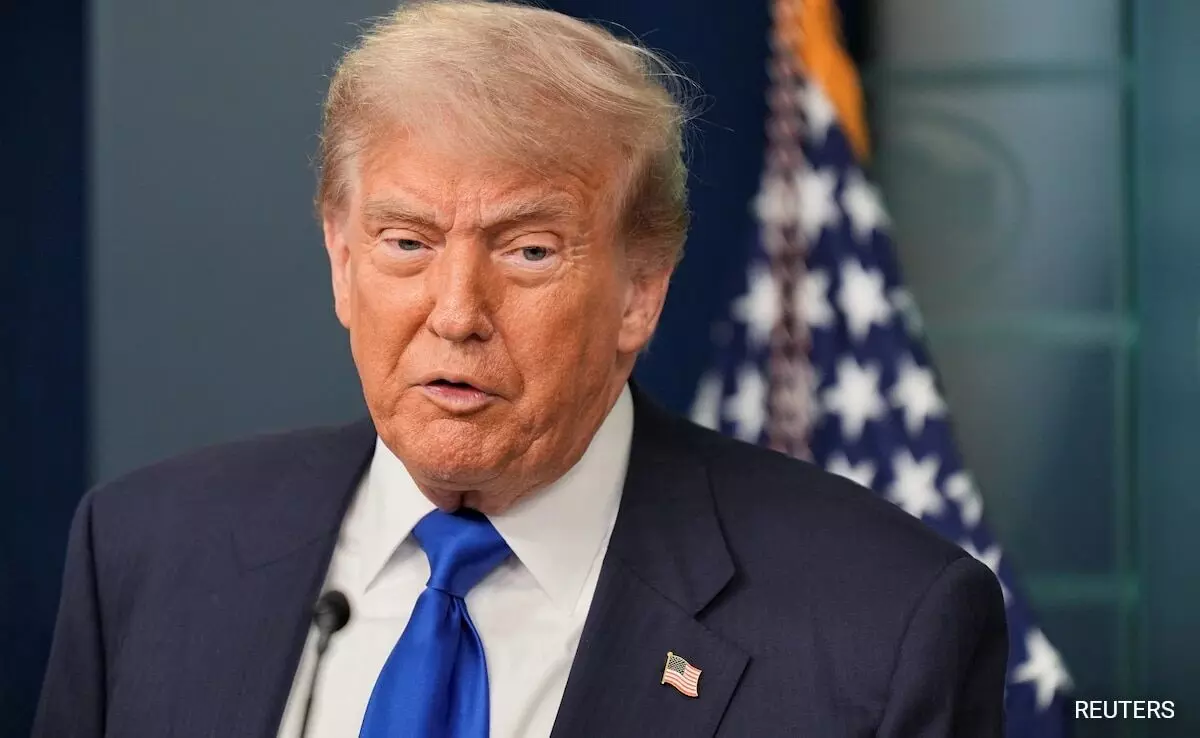
The United States Supreme Court delivered a seismic ruling on Thursday, declaring President Donald Trump's sweeping tariffs illegal in a 6-3 majority decision that fundamentally redraws the boundaries of presidential economic power — and opens the door to hundreds of billions of dollars in potential refunds to businesses worldwide.
At the heart of the ruling is the Trump administration's use of the International Emergency Economic Powers Act (IEEPA) of 1977 — a law originally designed to enable asset freezes and economic sanctions during national emergencies, not to impose sweeping import tariffs on trading partners.
Chief Justice John Roberts, writing for the majority, was unambiguous: the power to levy taxes and tariffs belongs to Congress under the US Constitution, and the IEEPA cannot be weaponised to circumvent that authority. Trump had invoked the 49-year-old law by designating the trade deficit and drug trafficking as a national emergency, using it to justify a 10% universal tariff and steeper levies on specific nations including China, Canada, Mexico, the European Union, Japan, and South Korea — collectively generating an estimated $130 to $133 billion in revenue.
The case was brought before the court by a coalition of 12 US states and several businesses who argued the administration had overstepped its constitutional mandate.
The decision specifically targets tariffs imposed under the IEEPA. Tariffs levied under separate legal frameworks — such as those justified on national security grounds — remain unaffected and continue to stand.
Crucially, the ruling now allows companies and importers to seek refunds on previously paid IEEPA-linked tariffs. Legal and trade experts estimate the total refund liability facing the US government could run into hundreds of billions of dollars — a financial reckoning of historic proportions.
For major trading partners, the ruling delivers significant relief. Countries like India, China, and members of the European Union — all of whom faced elevated duties under the IEEPA framework — stand to benefit most directly. Analysts expect the decision to ease pressure on global supply chains, potentially lower the cost of imported goods for American consumers, and inject fresh stability into international trade.
Financial markets are expected to respond positively, with the ruling removing a layer of uncertainty that has clouded global commerce since Trump's tariff offensive began.
Beyond trade, legal scholars are already framing the decision as a watershed moment in the ongoing debate over executive overreach — a clear signal from the nation's highest court that emergency powers have firm constitutional limits.