US Warns of Higher Tariffs on India if Trump-Putin Talks in Alaska Don’t Go Well
Donald Trump has already doubled tariffs on Indian goods to 50 percent by adding an extra 25 percent in response to New Delhi’s continued purchase of Russian oil.

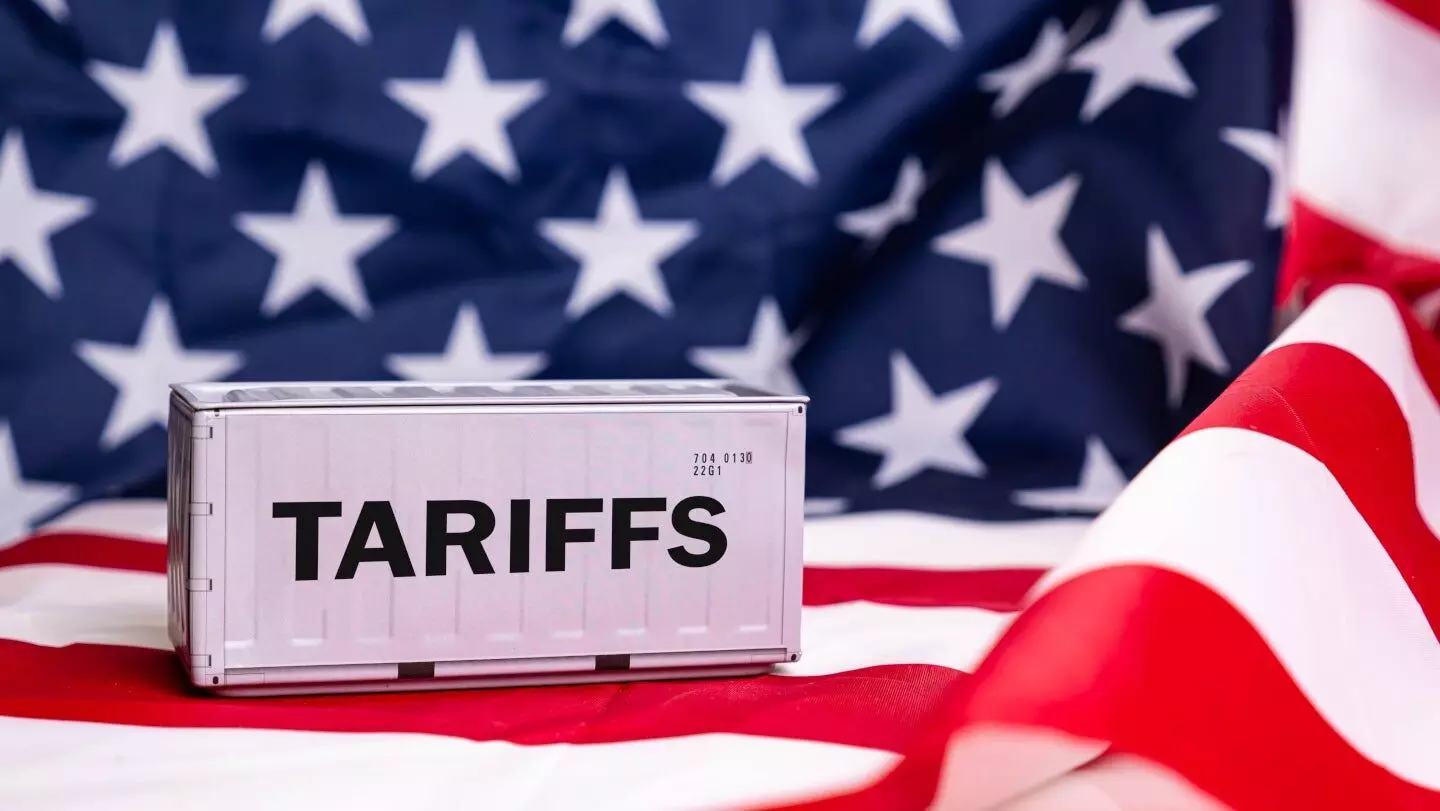
U.S. Treasury Secretary Scott Bessent has warned that Washington may increase secondary tariffs on India if upcoming talks between President Donald Trump and Russian President Vladimir Putin fail to yield progress on ending the war in Ukraine.
Speaking to Bloomberg TV on Wednesday, Bessent said, "We’ve already imposed secondary tariffs on India for purchasing Russian oil. If things don’t go well during the meeting, those tariffs could go up."
Trump and Putin are scheduled to meet on Friday, August 15, in Alaska, where they will attempt to negotiate an end to the war that began with Russia’s full-scale invasion of Ukraine in February 2022.
Tensions between Washington and New Delhi have risen in recent weeks. On August 7, President Trump imposed an additional 25% tariff on Indian goods over the country’s ongoing oil trade with Russia—on top of the 25% tariff already in place—bringing the total to 50%.
Trump has openly criticized India’s oil purchases from Russia, accusing the country of "fueling the war machine." He said he would be "very unhappy" if India continued this practice.
In a separate statement on Wednesday, Trump issued a stern warning to Russia, saying it would face "very severe consequences" if it did not agree to halt the war following his meeting with Putin. He also urged European allies to step up their efforts, saying they need to be ready to impose secondary sanctions alongside the U.S.
"The Europeans are in the wings, telling Trump what to do," Bessent said. "But we need them to step in and actually help us build leverage."
India Pushes Back
Earlier this week, Prime Minister Narendra Modi spoke with Ukrainian President Volodymyr Zelensky. During the call, Zelensky urged India to support the international peace efforts. Modi reaffirmed India’s neutral stance, saying that New Delhi supports a peaceful resolution to the conflict and is willing to contribute in any way possible.
"India has consistently called for an early and peaceful resolution to the war," Modi posted on X (formerly Twitter). "We remain committed to supporting peace efforts and strengthening our ties with Ukraine."
Responding to the U.S. tariffs, Modi emphasized that India would not compromise on its farmers' interests, even if it meant facing economic consequences.
India’s Ministry of External Affairs also criticized the tariff hike, calling it "unfair, unjustified, and unreasonable." The ministry stressed that India's energy imports are guided by market conditions and its responsibility to ensure energy security for 1.4 billion citizens.
India has also pointed out that many of the same countries criticizing its trade with Russia are themselves engaged in commercial dealings with Moscow.